
The first big note I wrote at CEO Summit during Mega Camp was this: social media is not the paycheck. Social media should feed the database.
Amy Porterfield was teaching about the path from attention to an owned audience. Her point gave me language for something I have been trying to build in my own real estate and teaching businesses.
A post can get attention. Attention has value. The business still needs a clear way for the right person to raise a hand. Then the person can enter the database and keep the conversation going.
That makes “What should I post?” a smaller question inside a useful business question: what job does this post have?
Curb appeal helps someone recognize you
Amy used a house to explain the path. Curb appeal is the content that helps someone notice you, understand your personality and get a sense of the work you do.
For a real estate agent, curb appeal may be a showing observation or a local place you enjoy. It may be a buyer question or a story from a transaction. The post does not need to force a sales pitch. It gives someone a reason to stay for a minute and learn how you think.
Curb appeal serves a real purpose. It builds familiarity. It can also become a place where agents stop because likes and views are easy to see.
A large reach number cannot send an email or answer a client question. It cannot help someone remember which local agent to call six months from now. The relationship needs another place to live.
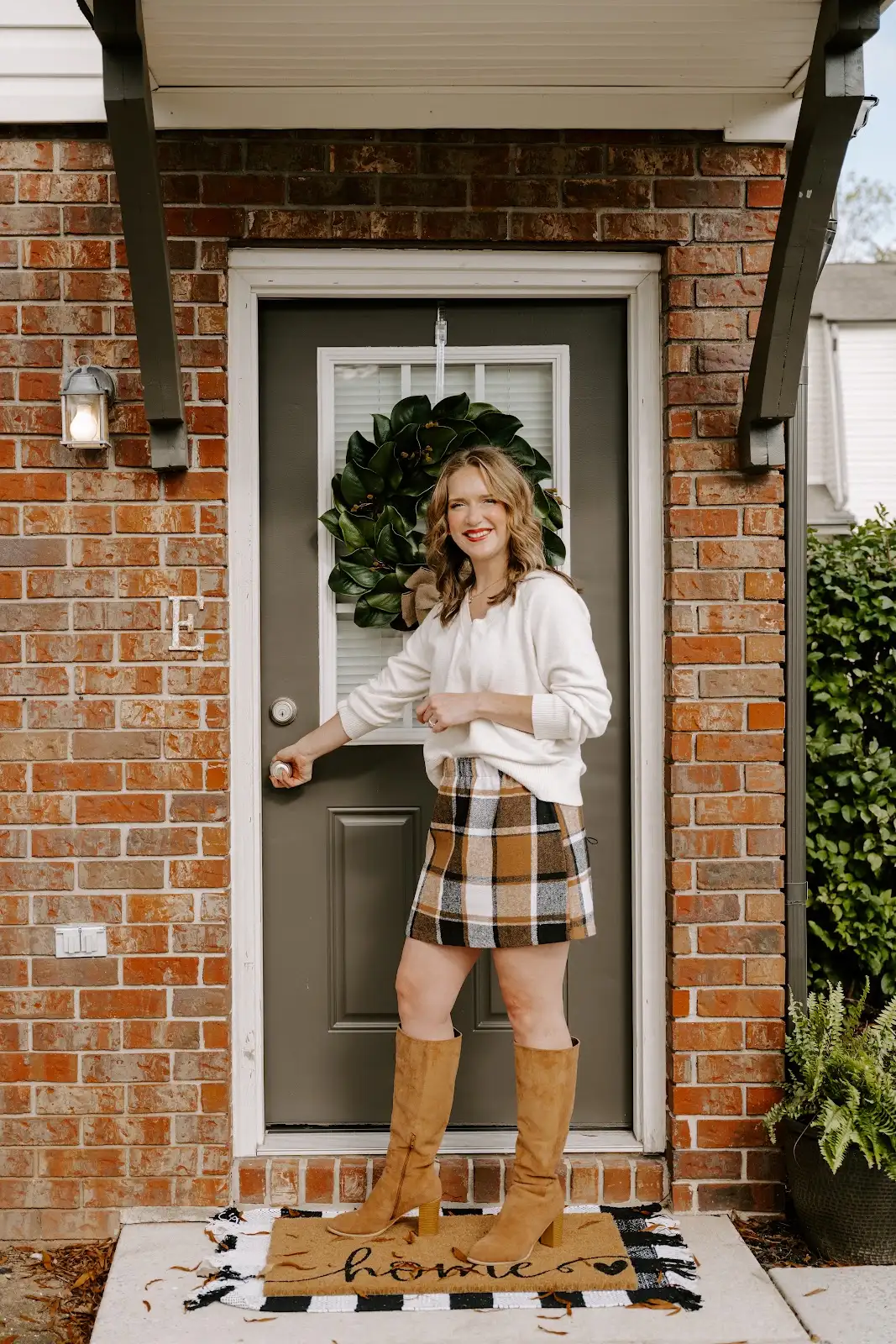
The front door gives people a clear way in
The front door is the invitation. It moves someone from the feed into a conversation or resource connected to your database.
That invitation could be a local guide, a class registration or a newsletter. It could also be a direct message keyword or a form for one question. The next step needs to match the post.
A video about relocating with homeschool children could lead to a Southern Middle Tennessee homeschool relocation guide. A post about preparing a listing could lead to a seller-prep resource. A market explanation could invite the reader to receive the next local update by email.
The invitation works because it continues the same idea. The post creates interest, and the front door gives the person a useful place to go with it.
The front door also exposes gaps in the system. If I ask for an email address and send nothing useful after the form, the path ends at the threshold. If I invite a direct message and nobody knows who will answer it, the invitation is incomplete.
Before I publish the front-door post, I need to know where the response goes. I also need to know what the person receives and who will handle the next conversation. That small check keeps the call to action connected to a real experience.
The living room is where the relationship continues
Once someone enters the database, the work is not finished. The living room is the nurture that follows.
For me, that can include a local newsletter or a useful follow-up email. It may be an invitation to ask a question or a resource tied to the reason the person joined. The goal is to keep serving the relationship with information that fits what they told me they care about.
A buyer who downloaded a relocation guide does not need a stream of generic holiday graphics. They may need local context, a way to compare towns and a simple path to ask about a move.
The database gives me enough context to continue that conversation on purpose.
Audit the job of the post
This framework gave me a direct audit for my own content.
I can look at a recent post and label its job: curb appeal, front door or living room. If it creates attention, I can decide whether it needs an invitation. If it offers a download, I can check what happens after the form is submitted. If someone is already in the database, I can ask whether the next email respects the reason they joined.
Every post does not need to collect an email address. A real content system does need a path from public attention to an owned relationship.
My next step is to choose one local post and add one clear invitation. The follow-up needs to exist before I send anyone through the door.
Source note: This article is based on my notes from Amy Porterfield’s CEO Summit session during Keller Williams Mega Camp 2026. The application to my businesses is my own.
Related reading: How to Turn Client Questions Into a Real Estate Content Plan.


